Pneumatic systems are power systems that use compressed air to perform mechanical work. Instead of relying on electricity or liquid pressure, these systems turn air into motion and force. Because air is clean, widely available, and easy to control, pneumatic technology has become a foundation of modern automation. From industrial factories to medical equipment, pneumatic systems quietly perform essential tasks every day.
At the center of every pneumatic system is compressed air. An air compressor pulls in atmospheric air, squeezes it to a higher pressure, and stores it in a tank. This stored energy is then distributed through a network of pipes or hoses. Before reaching any machine, the air usually passes through filters and regulators. Filters remove dust and moisture, while regulators control pressure to suit each operation. Clean and properly regulated air is critical, as moisture or contamination can reduce system efficiency and damage components.
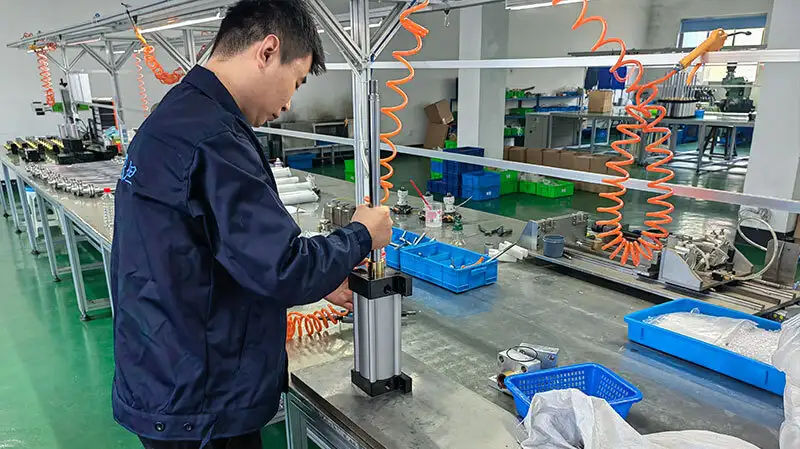
Once air is prepared, it is delivered to working devices such as valves, actuators, or cylinders. Valves control the direction and flow of air, deciding when movement starts and stops. Actuators and cylinders then convert air pressure into mechanical action. Depending on the setup, air-powered motion can push, pull, rotate, or clamp. Speed is adjusted by changing airflow, allowing precise control over machine movement.
One reason pneumatic systems are so popular is their simplicity. Compared to hydraulic systems, they have fewer heavy components and require less maintenance. There is also a safety advantage. Air does not burn, and leaks do not create chemical hazards. When a pneumatic line fails, air escapes harmlessly, which significantly reduces safety risks. For this reason, many factories prefer pneumatic systems in environments where operators work closely with machinery.
Another benefit is reliability. Pneumatic systems perform well even in dusty or humid conditions where electric systems might struggle. They are also well-suited for continuous operation and repetitive tasks. Because air can move rapidly, pneumatic machines respond quickly, making them ideal for high-speed production lines.
Pneumatic systems are used across nearly every industry. In manufacturing, they control robotic arms, stamping machines, and conveyor belts. Pneumatic power ensures precise motion in assembly lines, helping products move smoothly from one stage to the next. In packaging, pneumatic devices fold boxes, seal containers, and label products at high speeds with consistent accuracy.
Food and beverage plants rely heavily on pneumatics because air-powered systems support cleanliness standards. Since no oil is involved, there is less risk of contamination. Medical and pharmaceutical fields use pneumatic technology in bed adjustments, surgical tools, and lab equipment where reliability and hygiene are critical. In the automotive industry, pneumatic tools assist with painting, lifting, and fastening components.
Construction and mining work also use pneumatic systems in tools such as drills and breakers. Even in transportation, air brake systems in buses and trains depend on pneumatic pressure to ensure safety. Entertainment industries use air-driven systems in amusement rides and stage equipment for controlled motion effects.
Choosing quality equipment and components plays a major role in how well a pneumatic system performs. A reliable pneumatic cylinder manufacturer ensures durable design, proper materials, and advanced testing. Titan Automation is one of the recognized names providing pneumatic solutions for global industries. With extensive experience in engineering and manufacturing, the company supplies air cylinders, valves, and automation components that meet high industrial standards. As one of the professional pneumatic cylinder suppliers, Titan Automation supports industries by offering customized solutions that improve performance and reduce downtime.
Pneumatic systems may seem simple, but they deliver powerful results. Their ability to produce fast, safe, and reliable motion makes them essential for modern industry. By understanding how pneumatic systems work and where they are used, businesses can make smarter decisions and build automation setups that last for years.