In today’s rapidly evolving manufacturing landscape, industrial robots and robotic manufacturing have emerged as key drivers of innovation and efficiency. The integration of robotics in manufacturing has transformed the industry. It offers a variety of benefits to businesses seeking to improve productivity quality, competitiveness, or quality. Manufacturing robots will play an increasing role in shaping manufacturing’s future as demand for automated solutions increases.
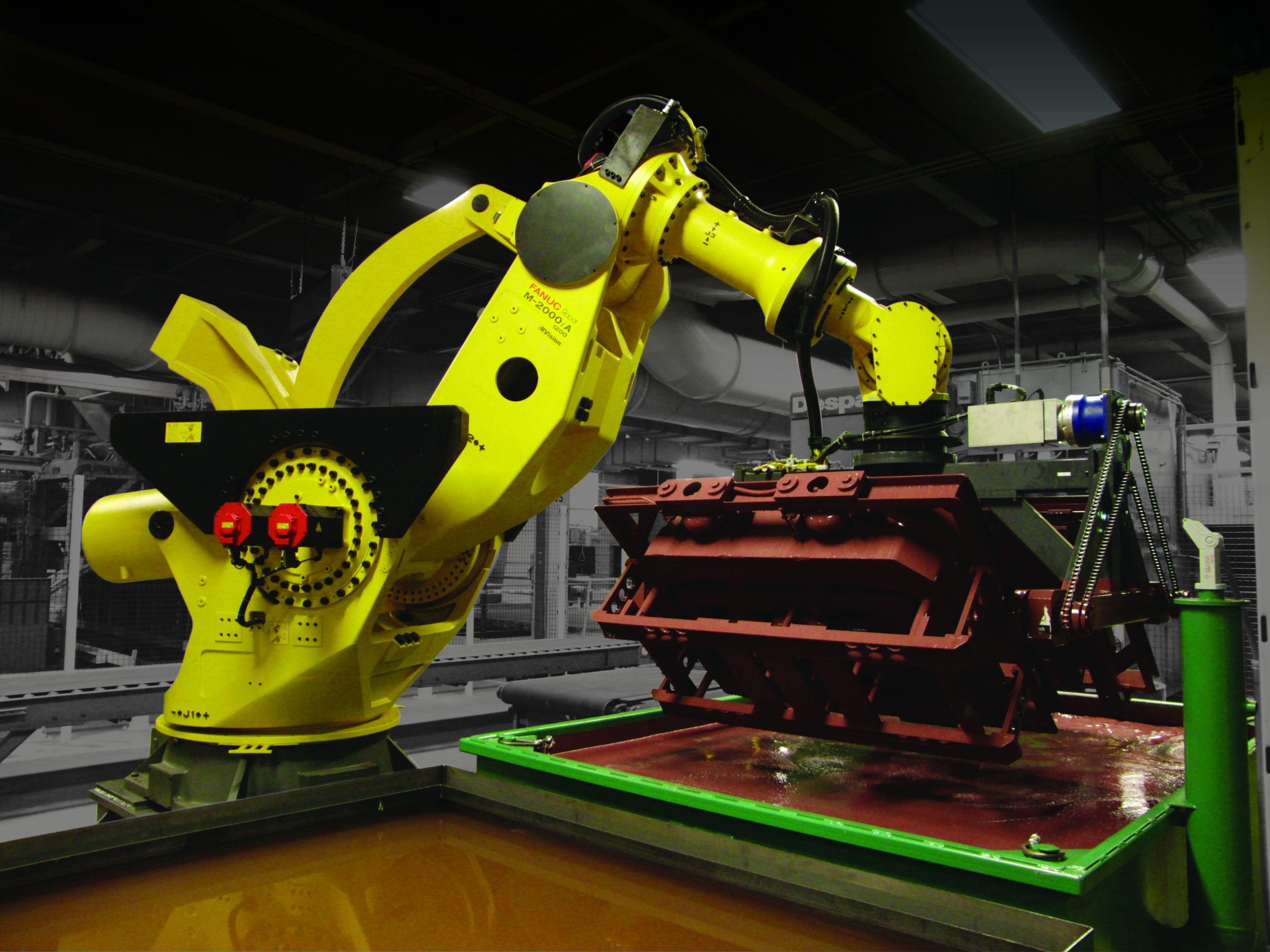
Manufacturing robots, sometimes referred to as industrial robots are machines made to carry out different jobs within the manufacturing industry. They are used for welding paint, assembly, as well as picking and placing and packaging. Industrial robotics is a field that studies and implements robotics to increase efficiency and accuracy in manufacturing processes.
One company at the forefront of this new era is Automated Solutions Australia (ASA), which specializes in designing industrial robots to offer the most flexible automation solutions to manufacturing customers. ASA industrial manufacturing robots strive to provide clients with an edge over competitors by enhancing their quality and productivity. With a strong focus on best practices, ASA’s industrial robotic solutions are sought-after by companies all over the world in various industries, which include electronics, automotive pharmaceuticals, among others.
Benefits of industrial robots have many facets. Improved efficiency and productivity is one of the biggest advantages. Industrial robots complete repetitive tasks efficiently and consistently which results in greater productivity rates. This improves overall efficiency and helps businesses respond to consumer demands.
Industrial robots are also a part of greater quality control during manufacturing processes. These robots reduce the margin of error because they perform tasks precisely and with accuracy that results in superior quality products. This in turn increases customer satisfaction, and enhances the image of a business that provides high-quality goods.
In addition to their efficiency and quality, industrial robots provide cost-saving benefits. While the initial expense for the production of robots is expensive but the savings over time are substantial. Through streamlining processes in production and reducing the requirement to use manual labor, companies can lower operational costs and get a fast return on investment. Industrial robots can work 24 hours a day and maximize the utilization of resources and decreases production costs per unit.
Industrial robots can have an positive effect on the environment at work. They are engineered to produce low noise levels that create a peaceful and more comfortable workplace for workers. Their accuracy and speed contribute to a safe workplace in reducing the dangers of injuries and accidents caused by manual tasks.
The integration of industrial robots has a major impact on the creation of jobs and the future jobs. Industrial robots can provide new opportunities for employment, despite concerns that automation will take over human workers. This includes roles in the field of robotic programming, maintenance, oversight and control, as well as the development of cutting-edge technology to support robot manufacturing.
Businesses across a variety of industries continue to profit from the advantages of industrial robots and manufacturing continues to embrace the technology, it’s changing the way that manufacturing is conducted. Industrial robotics has the ability to boost efficiency, productivity as well as the quality of products. It is changing manufacturing processes and creating new standards for excellence.
In conclusion, the rise of industrial robots and manufacturing robotics represents an important shift in the manufacturing industry. The combination of these innovative technologies has enabled businesses to reach new levels of productivity as well as precision and competitiveness. As the use of automation continues to expand, industrial robotics could play an important role in shaping the manufacturing future by accelerating innovation and propelling companies to success on the global market.